



From Ancient Symbol to Modern Icon
Throughout fashion history, few patterns have sparked as much intrigue and passion as that of the beautiful leopard. What once symbolized status and mystique in ancient societies now thrives as a bold statement of style and empowerment. The history of leopard print in women’s fashion is more than a trend timeline—it’s a reflection of cultural shifts, evolving femininity, and the enduring power of personal expression.
In this article, we’ll explore the journey of this illustrious animal print through the ages. From royal courts to red carpets, from rebellion to runway, this fierce pattern has never lost its edge. Let’s dive into the wild evolution of one of fashion’s most iconic prints.
Origins of Leopard Print: Ancient Power and Prestige
Leopard print draws inspiration from the majestic leopard—an animal long associated with strength, beauty, and ferocity. The history of leopard print begins in ancient civilizations, where real leopard pelts symbolized divine power and high status.
In Ancient Egypt, pharaohs and priests wore leopard skins during sacred rituals. These garments were believed to connect wearers with divine forces. Across Africa and parts of Asia, tribal leaders wore leopard fur to represent courage and royalty. This early use was not just about appearance—it conveyed power, dominance, and reverence for nature.

Fast forward to the Renaissance, and leopard fur was embraced by European aristocrats. At the time, wearing exotic animal prints showcased wealth and worldliness. Leopard patterns began appearing in paintings, home décor, and fabrics, gradually making their way into fashion.
Leopard Print Enters Fashion: From Royal Courts to Runway
Although leopard print remained exclusive for centuries, the 20th century ushered in a new era. By the early 1900s, theatrical costumers and performers used leopard motifs to add flair and drama. This helped introduce the print to wider audiences.
Then came Hollywood’s Golden Age, and with it, a fashion revolution. In the 1940s and 1950s, movie stars brought leopard print to center stage. Marilyn Monroe wore a leopard coat with effortless glamour, while Audrey Hepburn gave it a refined twist. Their influence transformed the pattern from theatrical to fashionable.
Naturally, designers took notice. By the 1960s, leopard print appeared in high-fashion collections, making it accessible to stylish women everywhere. The once “wild” pattern was now seen as glamorous, edgy, and sophisticated.
More Than a Pattern: A Symbol of Feminine Power
As the history of leopard print unfolded, so did its deeper cultural meaning. Over time, the pattern evolved into more than just a bold fashion choice—it became a symbol of feminine strength and personal freedom.
During the 1920s, flappers began wearing leopard print to challenge outdated gender norms. This daring design helped them express a desire for independence and rebellion against tradition. By the 1970s, it had been embraced by feminists and punk rockers alike, who used the print to disrupt mainstream fashion and assert their identities. Throughout each era, leopard print offered women a way to express confidence, individuality, and fearless style.
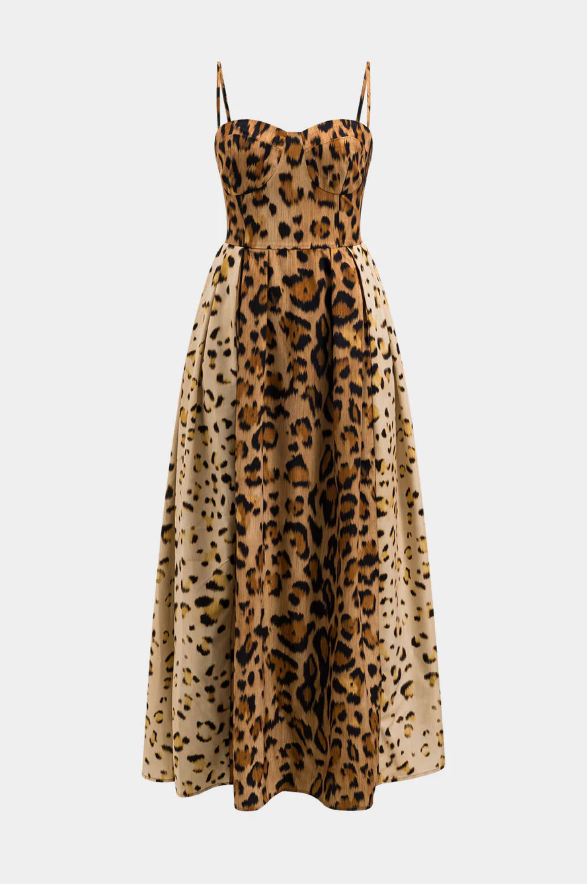
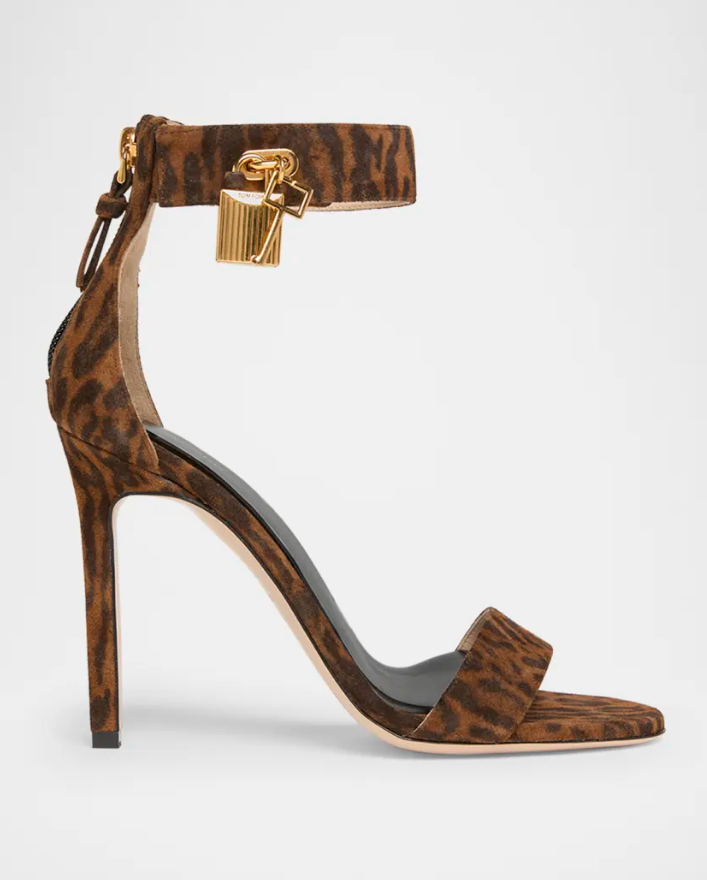
Today, that spirit remains intact. In fact, the pattern’s global popularity reflects how universal its appeal has become. It transcends borders, generations, and fashion genres. Whether worn on a sleek dress or a pair of bold boots, leopard print still speaks volumes—without saying a word. Dressed up or down, it remains a favorite for those who embrace their bold side.

Timeline: The Evolution of Leopard Print in Women’s Fashion
Here’s a closer look at key moments in the history of leopard print:
Early 1900s: Leopard print emerges in theater and cabaret costumes, creating buzz in avant-garde circles.
1920s: Flappers embrace the print as a stylish symbol of rebellion and modern womanhood.
1950s: Hollywood glamorizes leopard print. Coats, swimsuits, and accessories flood fashion magazines.
1960s: Designers like Yves Saint Laurent bring leopard print to the runway, giving it an elegant spin.
1970s: The print crosses into counterculture—punks, bohemians, and disco lovers all claim it.
1980s–1990s: Bold, neon-infused versions dominate the era. Designers like Gianni Versace and Roberto Cavalli take the print to new heights.
2000s–Today: Leopard print becomes a closet staple, celebrated for its timeless flair and endless versatility.
Designers Who Elevated the Leopard Print Legacy
Several visionary designers played a crucial role in shaping the history of leopard print:
Yves Saint Laurent (1960s): Introduced leopard print into high-end evening wear, pairing it with understated silhouettes for maximum impact.
Gianni Versace (1980s–1990s): Took leopard to new extremes, mixing it with gold, baroque prints, and body-hugging cuts.
Roberto Cavalli: Reinvented the print with a boho-luxe vibe, incorporating it into flowing dresses, denim, and modern streetwear.
Thanks to these icons, leopard print evolved from novelty to necessity—an essential in any fashion lover’s wardrobe.
The Print Today: Sustainability, Street Style, and Staying Power
Without a doubt, leopard print isn’t going anywhere. In fact, it’s thriving more than ever. Today’s interpretations range from subtle to statement-making, blending with minimalist aesthetics or loud, layered streetwear.
Modern fashion embraces ethical production, and many brands now create animal print looks using sustainable, cruelty-free materials. This eco-conscious approach resonates with new generations, proving that leopard print can be both stylish and socially responsible.
Because fashion is inherently cyclical, leopard print continues to reinvent itself. New colorways, textures, and creative pattern pairings with other prints keep it fresh while honoring its bold beginnings.
Final Thoughts: The Enduring Roar of Leopard Print
The history of leopard print is a story of power, rebellion, reinvention, and enduring allure. From ancient royalty to modern influencers, leopard print has remained a symbol of strength, sensuality, and fearless fashion.
At Flirty Feline, we celebrate this rich legacy every day. Our curated collection of leopard print clothing, accessories, and décor embraces both timeless elegance and trend-forward style. Whether you’re adding a fierce accent or going full glam, leopard print lets you express who you are—bold, confident, and unapologetically wild.
Ready to embrace your wild side?
Explore our shop and discover how leopard print can transform your look!
